Newsletters
The header image is the default header image for the site.Student Perspective: ACEP Leadership and Advocacy Conference 2018
POSTED: June 18th, 2018
POSTED IN: EM Pulse - The Official Newsletter of MOCEP, May/June 2018,
Written by: Marlee Thomas OMS I, AT Still University- KCOM, MoCEP Student Advocacy Grant Recipient
As a first year medical student, attending the ACEP 2018 Leadership and Advocacy Conference was an insightful and inspiring experience. I applied for the Student Advocacy Grant aware the opportunity would integrate my enthusiasm for emergency medicine and political advocacy. Before this year, I had not been involved in advocating at a state or national level, though I had been interested for some time. MOCEP is a truly welcoming organization, and their guidance helped me navigate the intricacies of Capitol Hill. With their direction, I now feel better equipped to be a leader in medical school and beyond.
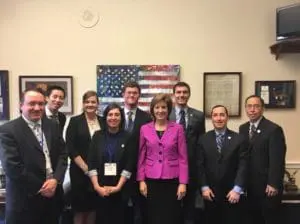

This year’s Leadership and Advocacy Conference addressed issues including the opioid epidemic, drug shortages and disaster preparedness. While I was aware of these problems, the extent of such obstacles did not resonate with me until I heard first hand stories from providers. The significance of personal narratives empowers physicians during political advocacy. The physicians and residents of ACEP live their ideals by taking action, and speak out in favor of their profession and their patients.
During the conference, I was able to see the Surgeon General, Vice Admiral Jerome Adams MD, speak on the importance of physician involvement in the legislative process. Physicians must take part in finding solutions to American healthcare dilemmas, or face the consequence of reticence. Seeing the surgeon general and various other physicians during the conference has motivated me to continue participating in policy and call other medical students to become informed.
Physicians that encourage and mentor aspiring medical students are instrumental in instilling confidence in future doctors and advocates. Medical students need not wait until residency or licensure to insist upon change in healthcare policy. This experience reinforced my intentions to become a physician, community leader, and advocate. Becoming involved early has revealed the importance of physician participation in the political realm. I would encourage fellow students to find time for advocacy.